
"country flavors"
30000 article(s) found

Papua New Guinea Coffee Estate with Spicy Flavor Taste Characteristics
Papua New Guinea is an island country in the western South Pacific Ocean and a member of the Commonwealth. The name of the country consists of Papua and New Guinea. There are many small islands here, about 600 in size. It borders Indonesia and Australia to the south. It belongs to the Asia-Pacific region, but it is a country in Oceania. It is located in a tropical climate, with high temperatures and rainy days. rich volcanic soil

Sa country coffee flavor El Salvador San Elena Manor
Professional coffee knowledge exchange more coffee bean information please follow the coffee workshop (Wechat official account cafe_style) Central America is one of the four largest coffee producing areas in the world, unique natural conditions, cultivate a lot of high-quality coffee beans, from yesterday introduced in Honduras, to the southeast, to the southwest of Central America and the Pacific coastline of El Salvador, the country is the world

Nicaraguan Coffee Manor Joy Manor introduction to the flavor and taste of Nicaraguan coffee
For Nicaragua, the overall coffee industry is depressed, which has a great impact on the country. In Nicaragua, the coffee industry provides 200000 of the country's jobs, and coffee beans are the country's most economically valuable crop, accounting for 20% of the country's total exports. The low price of coffee has hit all the countries that produce washed Arabica beans, but the pain seems to be even more magnified in Nepal.

A brief introduction to the slightly spicy Paradise Bird Manor boutique Coffee Bean Flavor, taste and aroma
Papua New Guinea's top coffee beans (PNG AA) are as beautiful and precious as the country's national bird of paradise. As coffee is widely grown in highlands between 1300 and 1800 meters above sea level, it is usually full-grained and varied in taste, with pleasant acidity and fruit-like sweetness. PNG coffee beans are carefully washed Arabica beans, its texture

Papua New Guinea Coffee Bean Variety Flavor description, Taste treatment Grinding scale
Papua New Guinea Coffee Bean Variety Flavor description Grinding scale Papua New Guinea is an island country in the western South Pacific and a member of the Commonwealth. The name of the country consists of Papua and New Guinea. There are many small islands here, about 600 in size. It is adjacent to Indonesia and Australia to the south. Belongs to the Asia-Pacific region, but it is an Oceania.

Boutique coffee beans: a detailed introduction to the classification and taste of famous coffee beans in South America
Columbia Xuefeng Coffee ColombiaKoguiSnowCapSpecialtySupremo: South American countries: Colombia: SierraNevada flavor: obvious nutty flavor, the overall taste is rich and varied! Columbia MDLS Manor ColombiaMDLS State: South American countries: Colombia production area: MDLS Manor Flavor: drupe fragrance with vanilla freshness and smooth berries

Description of Fine Coffee Bean Flavor, Flavor and Flavor of Santa Barara Manor in Honduras
What is there to miss about coffee in this turbulent country? Honduran coffee does not have very distinctive characteristics. Although it is now a backward and chaotic country, this small Central American country is also a region of Mayan civilization, with many relics of Mayan civilization and beautiful tropical seaside scenery.

How do you drink Ugandan coffee? What are the flavor characteristics? What kind of variety do you grow?
How do you drink Ugandan coffee? What are the flavor characteristics? What kind of variety do you grow? Uganda is a landlocked country in East Africa and is known as the "Pearl of Africa". Because of the dependent colonial economy, coffee accounts for most of the export income. Coffee characteristic coffee beans are a major commodity in global trading volume second only to crude oil, and the price rise or fall is related to the coffee bean producing countries.
Washed Tibica Coffee beans in Yonggas Town, La Paz County, Bolivia _ Bolivian Coffee Flavor
Professional coffee knowledge exchange more information about coffee beans please follow Coffee Workshop (Wechat official account cafe_style) Bolivia is a landlocked country in South America and a member of the Union of South American Nations. Neighboring countries include Brazil, Peru, Chile, Argentina and Paraguay. The legal capital is Sucre, but the actual seat of government is La Paz, which is above sea level.

Introduction to the flavor and taste of coffee treated with rare red honey in Paradise Bird Manor, Papua New Guinea
For the exchange of professional baristas, please follow the Coffee Workshop (official Wechat account cafe_style) Paradise Bird Paradise Red Honey AA Papua New Guinea SIGRI AA Paradise Honey Manor: Sigri Manor Variety: tin pickup Typica (seedlings introduced from the Blue Mountains of Jamaica in 1926, 27), bourbon Bourbon level: AA producing area: inside Wah near the highlands of Kainantu

There are so many varieties in the producing areas, which is better for individual coffee? Where can I get the best coffee?
Professional coffee knowledge exchange more coffee bean information please pay attention to the coffee workshop (Wechat official account cafe_style) there are 53 coffee-producing countries or regions in the world, and each producing country has more or less several different coffee producing areas, each producing area will also grow several different coffee varieties to combat the risk of diseases and insect pests, so the question is, which coffee is better? Medium

Introduction to the flavor and taste characteristics of coffee from Papua New Guinea
The main crops here are coffee and coconut, and the coffee industry plays an important role in the country's economy. More than 1 million people are directly and indirectly engaged in the industry in this country. Papua New Guinea is rich in natural resources, but its economy is very backward. As one of the less developed countries in the world, many mountain people still live a self-sufficient life of primitive tribes, only along the

How about coffee at the Breyer factory in Burundi, the smallest country in Africa? Introduction to the flavor of Burundian coffee
For more information on coffee beans, please follow the coffee workshop (Wechat official account cafe_style) "Burundi", a small African country sandwiched between Rwanda, the Republic of Congo and Tanzania. The history of coffee cultivation in Burundi began in the 1930s when coffee was introduced into the country by the Belgians. Since 1998, Burundian coffee will be produced

Beautiful sweetness of El Salvador Himalayan boutique coffee bean flavor, taste and aroma description, Jane
El Salvador's coffee accounts for 40% of the country's exports, and it is usually picked in November, December and the 13th of the following year. The export of raw beans lasts almost all year round. Coffee is produced in seven of the country's 14 provinces, with the largest number in the northwestern provinces of chalatenango and santa ana. The coffee produced in El Salvador is 100% Arabica, of which 68% is
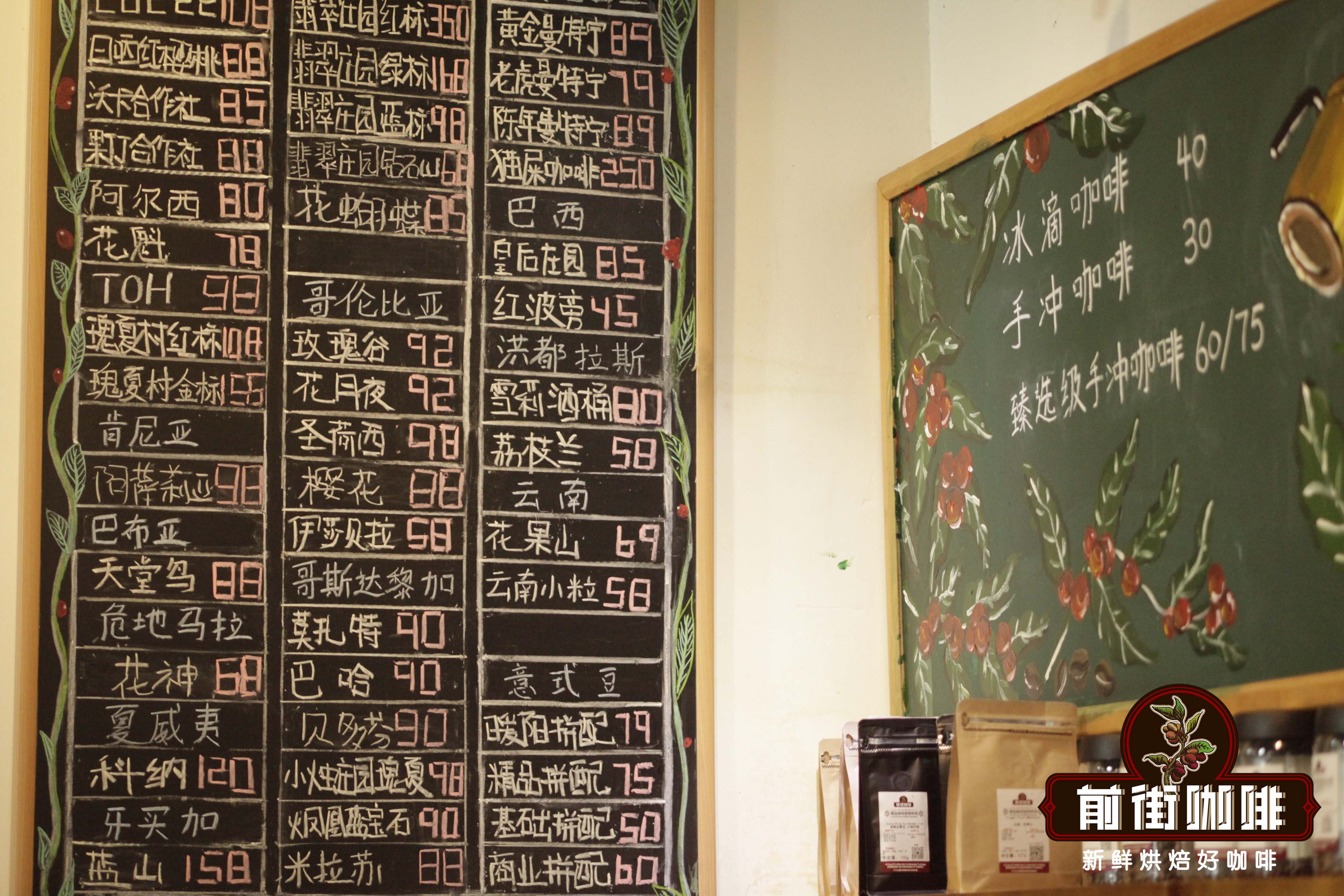
The Flavor characteristics of Coffee in Central America the name of coffee producing area and the flavor of coffee are introduced.
The flavor of Central and South American beans: generally speaking, the flavor is relatively regular. The Brazilian coffee is mellow and full-bodied, while the Costa Rican coffee is gentle and supple, with a blend of sour, sweet and chocolate aromas. Panamanian coffee has strong aromas of citrus, jasmine, peach and nectar, bright and changeable acidity, very similar to Yega Xuefei. Colombia (South America)

Grinding scale of Cuban Crystal Mountain Coffee beans description of the flavor of the manor area
El Salvador (ElSalvador) is one of the small countries in Central America, where coffee is light, fragrant, pure, slightly sour and characterized by excellent balance of flavor. It is a specialty of Central America. With sour, bitter, sweet and other taste characteristics, the best baking degree is moderate, deep. Salvadoran Coffee-Coffee originated in the early 1990s, guerrilla warfare greatly damaged the country's national economy.

Introduction to the characteristics of El Salvador Himalayan Coffee Flavor varieties
El Salvador (ElSalvador) is one of the small countries in Central America, where coffee is light, fragrant, pure, slightly sour and characterized by excellent balance of flavor. It is a specialty of Central America. With sour, bitter, sweet and other taste characteristics, the best baking degree is moderate, deep. Salvadoran Coffee-Coffee originated in the early 1990s, guerrilla warfare greatly damaged the country's national economy.

An introduction to the characteristics of coffee flavor and taste in the balanced and elegant Paradise Bird Manor in Papua New Guinea
Papua New Guinea is an island country in the western South Pacific and a member of the Commonwealth. The name of the country consists of Papua and New Guinea. There are many small islands here, about 600 in size. It is adjacent to Indonesia and Australia to the south. It belongs to the Asia-Pacific region, but it is a country in Oceania. Located in the tropical climate, high temperature and rainy. Rich and rich volcanic rock and soil

A brief introduction to the description of the flavor and aroma characteristics of coffee beans in the moderate acidity of Paradise Bird Manor
The coffee industry plays an important role in the country's economy. More than 1 million people are directly and indirectly engaged in the industry. The government encourages planting by offering a minimum purchase price. The industry itself is controlled by the Coffee Industry Council (Coffee Industry Board). The commission is located in Goroka, in the eastern part of the island, while exports are handled by private companies. The frost of 1975

A brief introduction to the description of the flavor and aroma characteristics of coffee beans in Paradise Bird Manor
The frost in 1975 destroyed most coffee crops in Brazil, but stimulated the development of coffee in Papua New Guinea. The Government has implemented a scheme to finance the creation of about 20 hectares of coffee plantations in rural or collective land ownership. This measure has indeed increased the penetration of coffee in the local economy, with annual production reaching 1 million bags by 1990. However, almost